Residential Drain Cleaning Tacoma for Homes With Frequent Kitchen Drain Clogs
@manuelqmvy096
September 23, 2026 · 14 min read
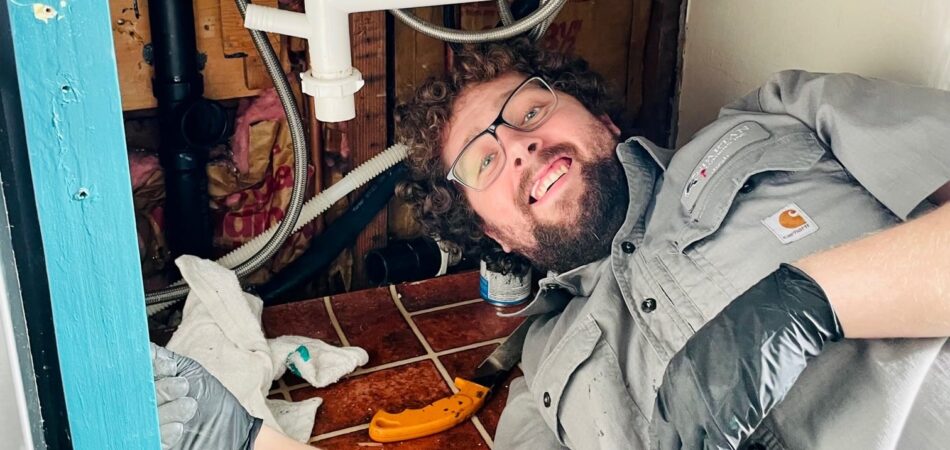
A kitchen drain that clogs once every few years is an annoyance. A kitchen drain that slows down every month, gurgles during dinner cleanup, and backs up when the dishwasher runs is a different problem entirely. In Tacoma homes, especially older properties and houses with busy family kitchens, repeated clogs usually point to buildup that has been collecting for a long time rather than one careless moment at the sink.
That distinction matters. Homeowners often assume the drain is acting up because of food scraps from last night’s meal. Sometimes that is true. More often, the real issue is a thick layer of grease, soap residue, starch, and fine debris that has narrowed the pipe over months or years. The latest bit of food was simply the trigger.
When people search for Residential Drain Cleaning Tacoma services, they are often dealing with exactly this pattern. The sink drains slowly for weeks, then suddenly stops. They try boiling water, vinegar, baking soda, or a store-bought chemical cleaner. It may improve briefly, then the problem returns, usually worse than before. That cycle can go on for a surprisingly long time before anyone addresses the full length of the affected drain line.
Why kitchen drains clog so often in Tacoma homes
Tacoma has a broad mix of housing stock. Some neighborhoods have homes with decades-old galvanized or cast-iron drain lines. Others have newer PVC systems that drain well but still collect grease when kitchen habits work against them. Age changes the problem, but it does not eliminate it.
Older metal pipes tend to develop rough interior surfaces as they corrode. Once that happens, grease and soap cling more easily, and small food particles start to catch where they once would have washed through. In newer piping, the inside walls are smoother, but grease still cools and sticks, especially in horizontal runs with limited slope. If the kitchen sink line turns several times before reaching the main drain, buildup usually forms at those transition points first.
Tacoma weather plays a subtle role too. During colder periods, cooking fats that might stay liquid a bit longer in summer solidify faster inside drain lines. Homeowners do not see that process happening because the sink may still appear to drain at first. The water gets through. The grease does not. It leaves a film, then another, then another. Over time, that film becomes the foundation for a stubborn obstruction.
I have seen this most often in homes where the kitchen sees real use. A household that cooks with oil, rinses pans quickly, and runs the dishwasher every night places steady demand on the same branch line. Add coffee grounds, pasta starch, rice, fibrous vegetables, eggshell fragments, or disposal waste, and the interior of the pipe starts to resemble a narrowing artery rather than an open channel.
The important point is that frequent clogs rarely come from one dramatic mistake. They come from ordinary habits repeated hundreds of times.
The difference between a simple blockage and a chronic drain issue
Not every clog requires a major cleaning. A soft blockage close to the sink trap can often be cleared quickly. If a homeowner drops a glob of leftover mashed potatoes into the disposal and the sink stops immediately, the fix may be straightforward. The trouble starts when the same sink clogs again two weeks later, then again after the next holiday gathering.
That pattern suggests the line has residue coating the pipe wall farther downstream, beyond what a plunger or a quick hand snake can fully address. A small opening remains in the middle, enough for some water to pass, but not enough for normal kitchen use. As each load of greasy or starchy water moves through, it drags bits of material that catch on the narrowed area. The clog reforms because the root condition was never removed.
This is why some homeowners feel like they are fighting the same drain forever. They are not imagining it. They are temporarily punching through a restricted section rather than cleaning it.
A true drain cleaning aims to restore more of the pipe’s original carrying capacity. That can involve cable machines, sink machines, or in some cases hydro jetting, depending on the pipe material, line condition, and severity of buildup. The right method depends on what the line is made of and how aggressive the blockage has become.
Clues that your kitchen drain needs more than a quick fix
Frequent kitchen clogs tend to announce themselves before a full backup occurs. The signs are usually easy to spot once you know what they mean.
- Water stands in the sink for a minute or longer before slowly draining away.
- The drain gurgles after running the disposal or dishwasher.
- One side of a double-basin sink backs up into the other.
- Odors linger near the sink even after cleaning the basin and disposal.
- The clog returns within days or weeks after plunging or using a basic snake.
One sign alone is not always enough to justify a service call. A combination of two or three usually is. Odors, for example, often mean organic residue is coating the pipe or disposal chamber. Gurgling can indicate trapped air caused by a partial obstruction. Backflow from one basin to the other often points to a blockage beyond the point where the sink branches meet. When these symptoms cluster together, the problem is usually established and growing.
What professional drain cleaning actually does
There is a common misunderstanding that all drain clearing is the same. It is not. Poking a hole through a clog and cleaning a line are related but different outcomes.
A technician may start with a small machine at the kitchen line to determine whether the obstruction is localized. If the line opens but still drains sluggishly, that suggests interior buildup remains. In many homes, especially where grease has accumulated for years, the best approach is to mechanically remove as much wall buildup as possible instead of just restoring a narrow passage.
Hydro jetting can be extremely effective in the right situation because it scours the inside of the pipe with pressurized water. But it is not automatically the first or best choice in every home. Older, fragile lines may need inspection before jetting. Some kitchen branch lines are better handled with a cable machine and proper cutting heads, followed by flushing and testing. Judgment matters here. The strongest method is not always the smartest method.
This is where experienced Residential Drain Cleaning Tacoma providers separate themselves from basic unclogging services. A competent technician looks at pipe age, material, access, recurring symptoms, and whether the kitchen issue may connect to a larger house drain problem. If backups are showing up in multiple fixtures, the kitchen sink may only be the first visible symptom.
Why store-bought drain cleaners often make things worse
Chemical drain cleaners have a powerful reputation and a poor batting average in real kitchens. They can soften certain organic blockages near the trap, but they do little against heavy grease coating a long horizontal drain line. Worse, repeated chemical use can create heat, fumes, and residue that complicate later service.
I have seen kitchen traps with cleaner sitting in them hours after use because the clog prevented proper flow. That leaves a harsh chemical pool inside the plumbing while doing almost nothing at the actual restriction point. When a technician later opens the line, that trapped chemical becomes a safety issue.
There is also the false confidence problem. If the sink drains a little after chemical treatment, homeowners may think the line is fixed and go back to normal use. A week later the drain stops again, usually at the worst possible time. The cleaner did not remove the grease blanket farther down the line. It simply softened enough material to let some water squeeze past.
Hot water and dish soap can help as a maintenance habit after light greasy use. They are not a cure for a chronic clog. Once the line is already restricted, the fix usually requires physical cleaning.
The role of garbage disposals in recurring clogs
Garbage disposals help with small food remnants, but they also encourage people to send more solids into the plumbing than the system should handle. A disposal does not make food disappear. It grinds solids into smaller particles that still have to travel through the branch line.
That distinction matters with stringy vegetables, potato peels, pasta, rice, celery, onion skins, and coffee grounds. Ground fine or not, these materials can combine with grease and soap film into a dense paste. I have seen disposal-equipped sinks clog more often than sinks without them simply because the household assumes anything can be ground and washed away.
Dishwashers add another layer. When a dishwasher discharge ties into the kitchen drain, any restriction in the sink line can show up dramatically during a wash cycle. The pump sends out a burst of water, but the drain cannot carry it fast enough, so the sink fills, gurgles, or backs up. Homeowners often blame the dishwasher, though the real issue is the partially blocked drain downstream.
Tacoma homes with older plumbing need a different lens
In older Tacoma neighborhoods, the age of the drain system changes the strategy. Galvanized steel and cast iron lines can narrow internally in ways that are not obvious from the outside. The pipe may look structurally intact while the usable opening inside has shrunk significantly. In those cases, what seems like a grease problem may be partly a pipe-condition problem.
This is why repeated clogs in an older home sometimes warrant camera inspection after cleaning. A camera does not replace cleaning, since a dirty line often hides what is really going on. But once the pipe is reasonably clear, inspection can reveal scale, corrosion, offsets, bellies, or damage that explains why clogs keep returning.
Not every older line needs replacement. Plenty can continue working well with proper cleaning and realistic maintenance. But it is better to know whether you are dealing with routine buildup or a drain line that has reached the point where cleaning buys only temporary relief.
That is a conversation homeowners appreciate because it saves money in the long run. There is no value in pretending a failing section of pipe will behave like new after one service call.
What a homeowner can do between professional cleanings
Habits matter. A well-cleaned kitchen line can stay clear much longer when the sink is Residential Drain Cleaning Tacoma used with a little discipline. These are the simple practices that make the biggest difference.
- Wipe greasy pans with paper towels before rinsing them in the sink.
- Keep coffee grounds, rice, pasta, and fibrous scraps out of the disposal.
- Run plenty of water before, during, and after using the disposal.
- Flush the drain periodically with hot water after normal dish cleanup.
- Use a sink strainer to catch solids before they enter the line.
None of these steps is glamorous, but they work. Wiping grease before washing dishes is especially important. People tend to focus on visible scraps and underestimate liquid fat. Once it cools in the line, it becomes the binder that traps everything else.
One caution is worth mentioning. Boiling water can be helpful in some situations, but it is not universally safe or useful. Very hot water poured directly into certain drain assemblies or older piping setups may not be ideal, and boiling water alone will not remove a heavy clog. Hot tap water used generously after sink use is usually the more practical day-to-day habit.
When the kitchen clog is really a whole-house drainage problem
Sometimes a homeowner calls for kitchen drain service because that is where the symptoms are loudest, but the true issue lies farther down the system. If the kitchen sink clogs frequently and there are also signs like slow draining in a laundry line, bubbling in a nearby bathroom fixture, or backups during high water use, the main line deserves attention.
Kitchens often reveal larger problems because they send a high volume of water with suspended solids into the drainage system. The sink may be the first fixture to protest, but it is not always the only one affected. This is one reason experienced technicians ask questions about the rest of the house rather than looking only at the kitchen basin.
A proper diagnosis saves time. It is frustrating for a homeowner to pay for localized sink work only to learn later that the branch line was not the whole story. Good service means tracing the problem to the right section of the system before deciding on the tool and approach.
Choosing the right service when clogs keep returning
Homeowners dealing with repeated backups usually want two things: the sink working today and a realistic answer about whether it will happen again next month. The best drain service addresses both.
Ask whether the goal is simply to open the line or to clean it thoroughly. That question alone often clarifies what kind of service you are getting. It also helps to mention how often the clog returns, whether the dishwasher causes backups, and whether the home has older plumbing. Details like these matter because they point toward buildup, pipe condition, or a deeper system issue.
Pricing can vary depending on access, line length, severity, and whether specialized equipment is needed. That is normal. What matters more is whether the technician explains the likely cause clearly and recommends a method that fits the actual condition of the drain. Kitchen lines in decent shape with grease buildup call for one kind of response. A corroded, heavily scaled line in an older house may call for another.
The strongest companies in Residential Drain Cleaning Tacoma work do not just clear stoppages. They help homeowners understand why the stoppage formed in the first place. That is the part that prevents repeat calls.
A practical view of maintenance versus emergency response
It is always cheaper, cleaner, and less stressful to address a kitchen drain when it starts slowing than when it stops completely on a holiday weekend. A sluggish sink is giving notice. If the household has already dealt with several clogs in the past year, waiting rarely improves the outcome.
Preventive cleaning makes sense for homes with a known history of grease buildup, large families, frequent cooking, or older kitchen branch lines. That does not mean every home needs routine annual service. Some do fine for years with better sink habits. Others benefit from periodic professional cleaning because the line layout, pipe age, or household use pattern makes buildup almost inevitable.
That judgment call should be based on actual history, not generic recommendations. If a homeowner has had three kitchen drain issues in twelve months, that is a pattern. If there has been one clog in eight years, it probably is not.
The goal is not to oversell maintenance. The goal is to avoid the expensive cycle of repeated temporary fixes.
The bottom line for frequent kitchen drain clogs
A kitchen sink that clogs over and over is telling you something specific. The line is likely restricted, not just unlucky. Grease, soap, food residue, disposal waste, pipe age, and drain layout all play a role, especially in Tacoma homes where housing styles and plumbing systems vary widely from one neighborhood to the next.
Real drain cleaning goes beyond reopening a small hole in the blockage. It addresses the buildup that keeps recreating the problem. For some homes, that means a straightforward branch-line cleaning. For others, it means looking deeper at the condition of older pipes or checking whether the issue extends into the main drain system.
If your sink drains slowly, smells bad, gurgles during dishwasher cycles, or clogs again shortly after every quick fix, it is time to treat the problem as chronic rather than isolated. That is when professional Residential Drain Cleaning Tacoma service earns its value, not just by getting water moving again, but by restoring confidence that the next dinner cleanup will end at the table instead of under the sink.
Spartan Plumbing Services
Address: 760 107th St S, Tacoma, WA 98444
Phone number: +12534998773
FAQ About Residential Drain Cleaning Tacoma
How much does it cost to have someone clean your drains?
Professional drain cleaning costs between $147 and $352 on average, with most homeowners paying around $246. The final price is heavily determined by the type of drain affected, the clearing method needed, and your geographic location.
How much does it cost to clean a drain line?
Professional drain cleaning costs between $147 and $352 on average, with most standard residential jobs landing right around $246. However, your final bill can scale from $100 to over $800 depending entirely on which drain is clogged and the method required to clear it.
Is professional drain cleaning worth it?
Yes, professional drain cleaning is worth it because it clears deep buildup and prevents expensive plumbing emergencies.